
A Regional Studio Where the Signal Path Told the Real Story
Oliver Pearce
5 min read
The call that started it
Marcus runs technical operations for a small regional television studio, and he rang us in the first weeks of the autumn schedule. His complaint was familiar: the evening programme ran late to air nearly every week, and nobody could say why. The crew was capable, the equipment was serviceable, and yet the changeover between the studio floor and the control room never felt settled.
He assumed the answer was new hardware. A vision mixer upgrade was already on a wish list, and he wanted a second opinion before spending anything. We explained that our Studio Workflow Consulting begins with watching, not selling, and that the output is a written plan he could use whether or not he bought anything. He agreed to a two-day visit.
Watching the studio before touching anything
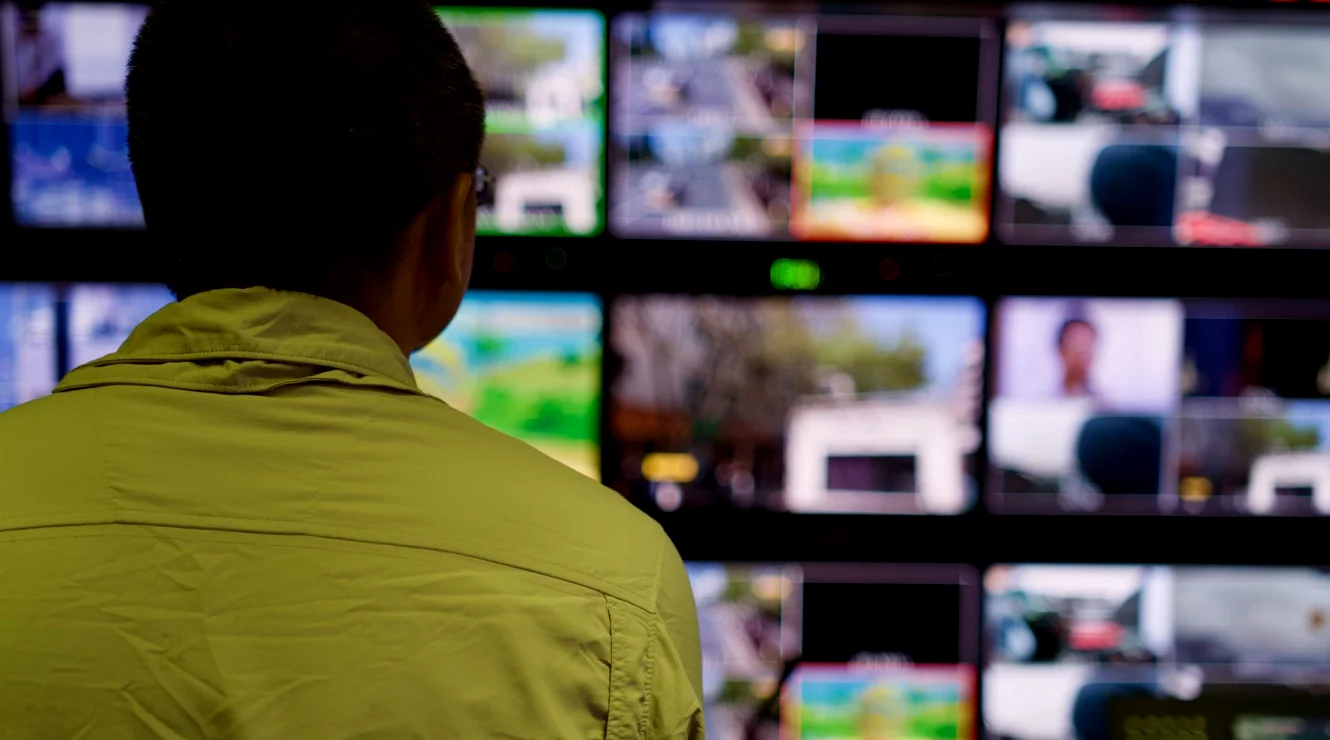
On the first morning I stood at the back of the control room with a notebook and said very little. Helen's review method asks us to follow one programme from the moment the floor manager calls the first rehearsal to the moment the final graphic leaves the building. I noted who spoke to whom, which screens people looked at, and where a person stood up and walked somewhere.
Studios rarely fail through one dramatic fault. They lose minutes in small gaps that everyone has stopped noticing. By lunchtime I had a page of observations, and none of them mentioned the vision mixer. Several mentioned a clipboard, a shared mobile phone and a door that was always propped open.
- Floor and gallery agreed cues verbally, never in writing
- Camera shading waited until after the rundown was final
- Talkback channels were reused for unrelated conversations
What the signal path revealed
On the second day I traced the path from each camera through patching, routing and monitoring to the programme output. Two of the three cameras were colour matched against a chart used months earlier, and the third had been adjusted by eye after a lamp change. Operators compensated at the mixer, which cost seconds on every shot change and made the picture look slightly different from one segment to the next.
The audio chain had its own quiet habit. A return feed to the presenter was routed through an extra conversion stage that nobody remembered adding. It was not the cause of the lateness, but it explained why presenters sometimes seemed a beat behind their own cues. Documenting it took ten minutes and mattered more than I expected.
Where the lost minutes actually went
Putting the notes against the clock gave a clear picture. The delay to air came from a rundown that was still being edited while cameras were being shaded, so every late change sent the floor crew back to reset. The control room was waiting on the floor, and the floor was waiting on the control room, each polite about it and neither aware of the loop.
Marcus had expected me to name a piece of equipment. Instead I showed him a timeline with the same forty minutes marked on it across three recorded rehearsals. Seeing it written down changed the conversation. The vision mixer stayed on the wish list, but it moved to the bottom, where it belonged.
The plan we wrote for him
The written plan was short and deliberately plain. It set a rundown lock time before camera shading begins, introduced a one-page cue sheet shared between floor manager and director, and asked that all three cameras be matched to a single reference chart at the start of each week. It also listed the extra audio conversion stage with a recommendation to remove it during a quiet afternoon.
Nothing in it required purchasing anything. Each recommendation had an owner, a suggested order and a note on what to check afterwards. We have learned that a plan people can start on the next morning is worth more than a thorough one they file away. Marcus read it twice and began that same week.
- Rundown lock agreed before shading starts
- Shared cue sheet for floor and gallery
- Weekly colour match to one reference chart
What changed, and what did not
When Marcus wrote to us a few weeks later, he said the programme was reaching air on time more often than not, though he was careful not to overclaim. Some evenings still overran, usually when a guest arrived late, and the plan never pretended to prevent that. What had changed was that the crew now knew where a delay began.
I find that the most honest result a review can offer. A studio does not become flawless; it becomes legible. People stop guessing, the same conversation stops repeating, and the next improvement can be chosen on evidence rather than on whichever fault was loudest that week.
Marcus came to us expecting a hardware verdict and left with a timeline, a cue sheet and a clearer view of his own studio. That is usually how a workflow review goes: the answer sits in habits and handovers rather than in equipment. If your programme runs late for reasons nobody can name, start by watching one full rehearsal and writing down every pause.
Oliver Pearce
Lighting and Camera SpecialistOliver plans lighting and camera layouts for studio sets and writes our camera configuration guides.