A look at the kinds of work premixra takes on, from camera setups and lighting plots to sync fault tracing, shown through the scenes and tasks involved.
Areas of work
These scenes reflect the settings we work in and the tasks we document. Each one connects to a service described on the services page.
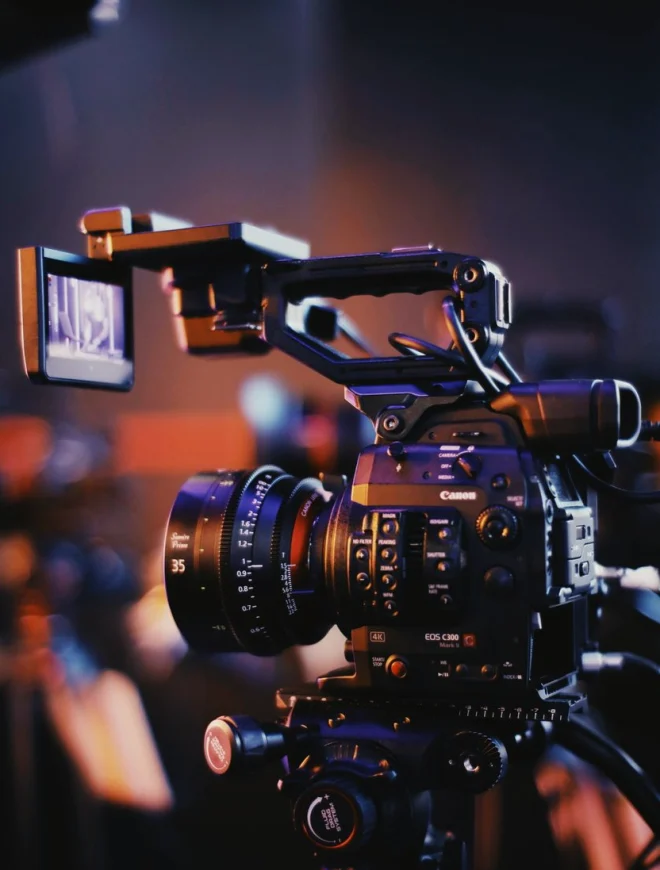
Studio camera on pedestal
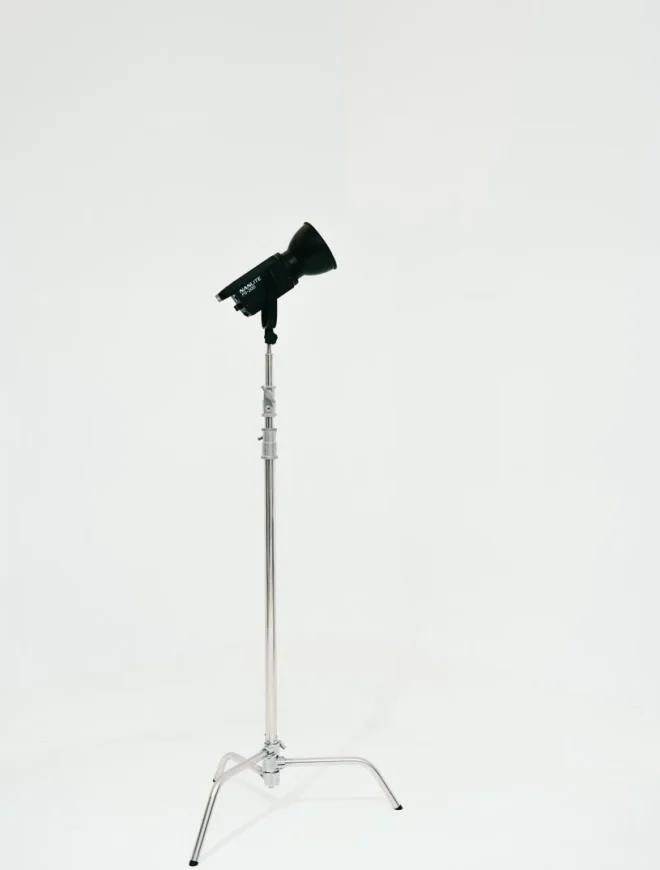
Lighting rig above a set
Control room monitor wall
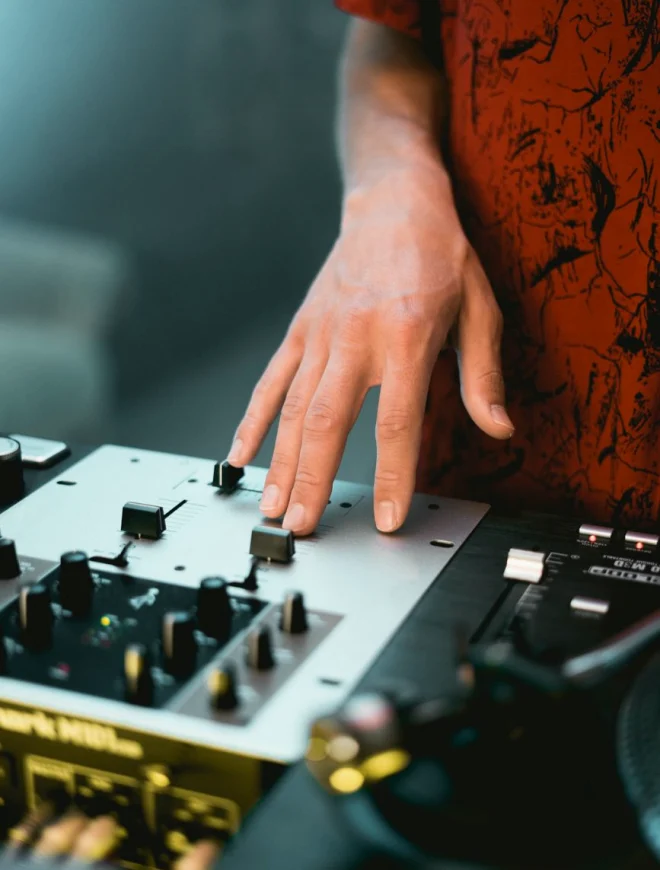
Vision mixer in use
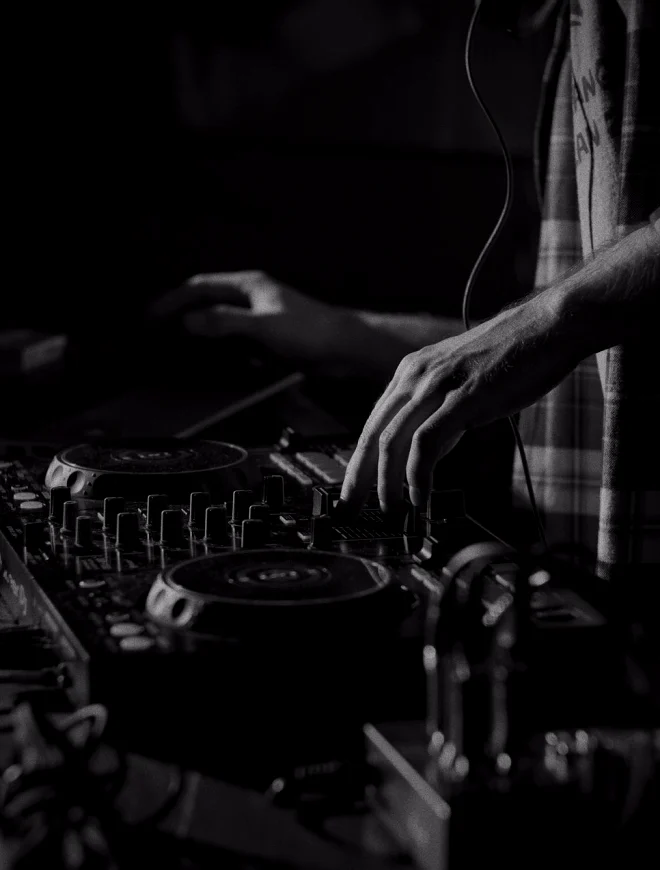
Audio desk during sync checks
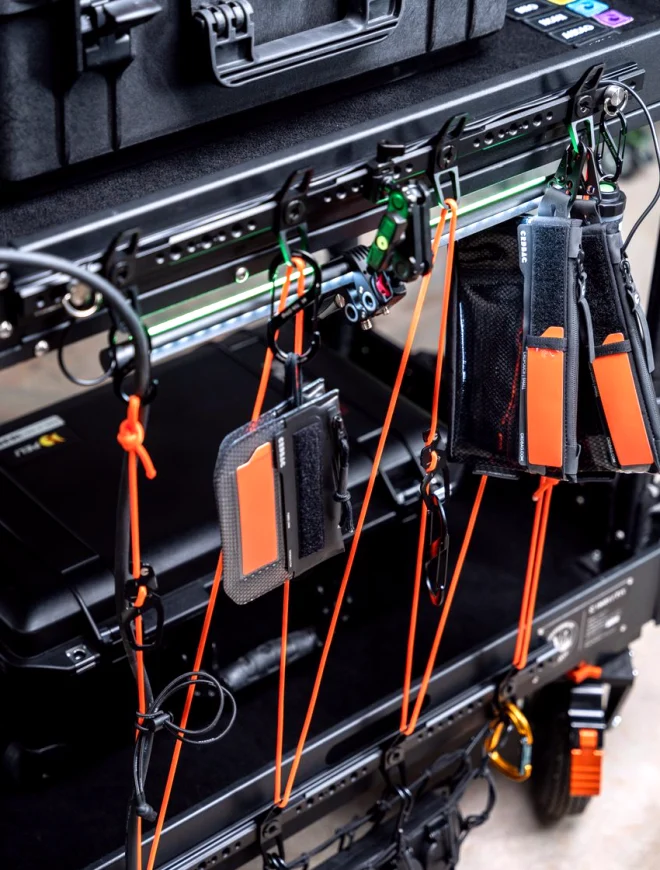
Cable runs behind the scenes
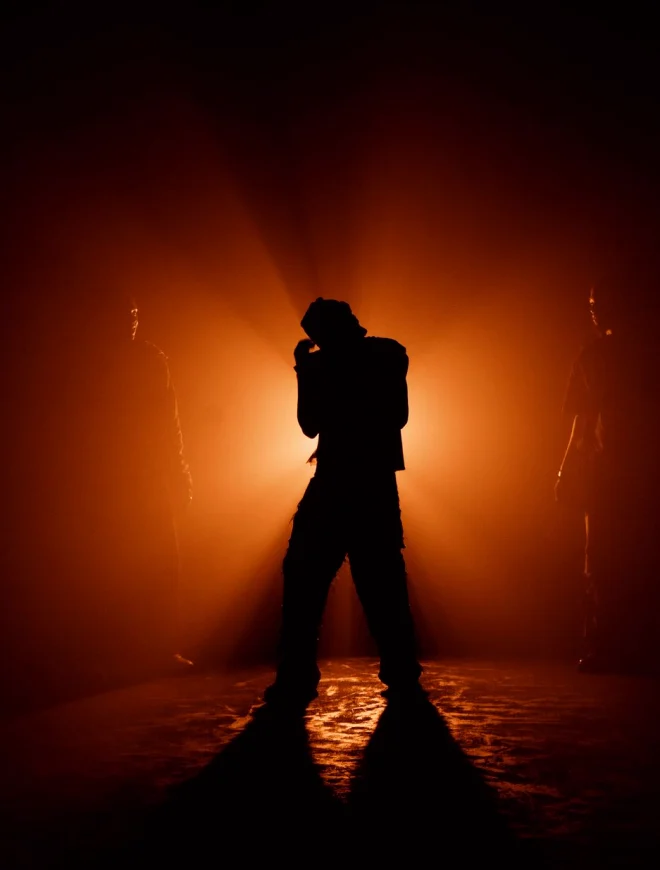
Live stage lighting plot
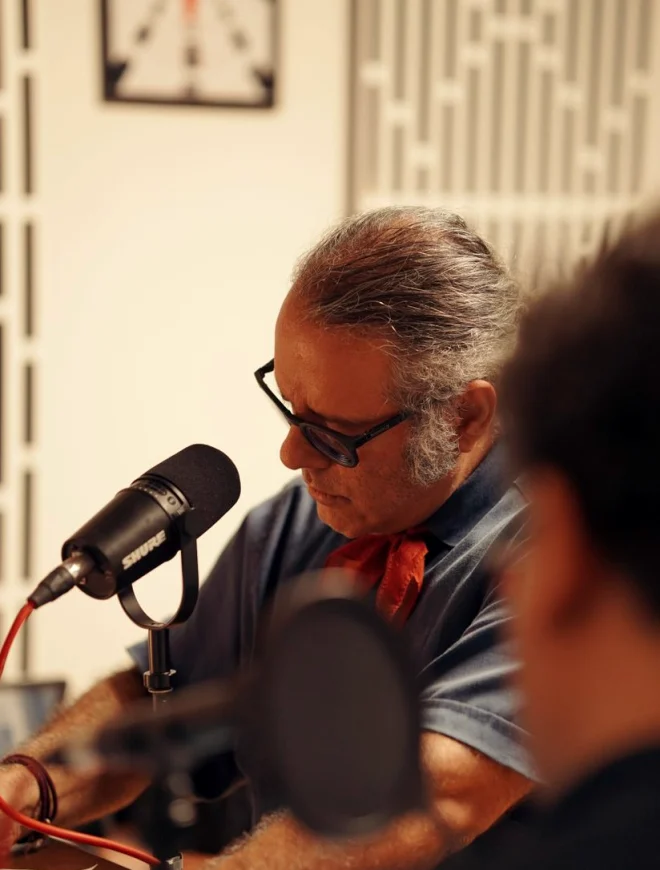
Director briefing the gallery
Who we work with
The teams and settings our work is written for
Our material is written for people who run studios and live productions day to day. The groups below describe the kinds of teams we usually write for, based on the services we offer. Needs vary, so each piece of work starts from the setup in front of us.
01
Television studio engineers
Engineers who maintain camera, audio and signal chains and need clear written setup records and fault documentation.
02
Producers and directors
Production leads who want the workflow from camera to output to run predictably and be understood by everyone in the gallery.
03
Live event technical crews
Crews setting up cameras and stage lighting in changing venues who benefit from repeatable guides and lighting plots.
04
Outside broadcast teams
Teams rigging cameras away from a fixed studio, who need setup notes covering rigging, colour matching and signal paths.
05
Control room operators
Vision mixers and sound operators joining a team who need briefing documents that explain their role and the production routine.
06
Small production companies
Smaller outfits without a dedicated technical writer, who want practical documentation without building an in-house team.
How we document
What every piece of work leaves behind
Whatever the service, the result is a written record. We keep it practical, so that engineers and operators can use it at their desks and in the gallery rather than filing it away.
01
Written, not just spoken
Advice given in a meeting is easily forgotten, so we put findings into documents. A workflow review ends in a plan, a camera guide in a reference sheet, a sync audit in a record of the fault and its fix. Each document uses plain headings and short steps. The aim is that someone who was not in the room can follow it and reach the same result.
02
Built around your equipment
We write about the equipment and layout you actually have. That means asking for model names, signal diagrams and a description of how a typical production runs. Where details are missing, we say so in the document and mark what still needs checking. We do not fill gaps with assumptions, because a guide that guesses is worse than one that is honest about its limits.
03
Kept useful over time
Studios change as cameras are replaced and teams grow. We write documents so that a single section can be updated without rewriting everything. Clear structure and consistent terms make later edits straightforward for your own staff. If something changes substantially, you can come back to us and we will revise the relevant part.